
IDENTIFYING SIGNS
What to photograph when you are not sure it is bed bugs
The most useful photos show a clue in context. Bite patterns alone cannot identify a pest, so focus on an insect or signs around where people sleep and rest.
4 minute read
A photo should support a conversation, not replace an inspection
Photographs can help you describe what you found. A clear image of an insect may be useful, while an unclear image may need an inspection or closer identification. Focus on things in the room: a possible insect, shed material, repeated dark spotting, marks on bedding or a feature of furniture. University of Minnesota Extension advises confirming that suspected insects are actually bed bugs before control is attempted.
Do not wait until you have a perfect photograph before asking for help. A clear description of where and when you found something is still useful.
Photograph the clue and then the location
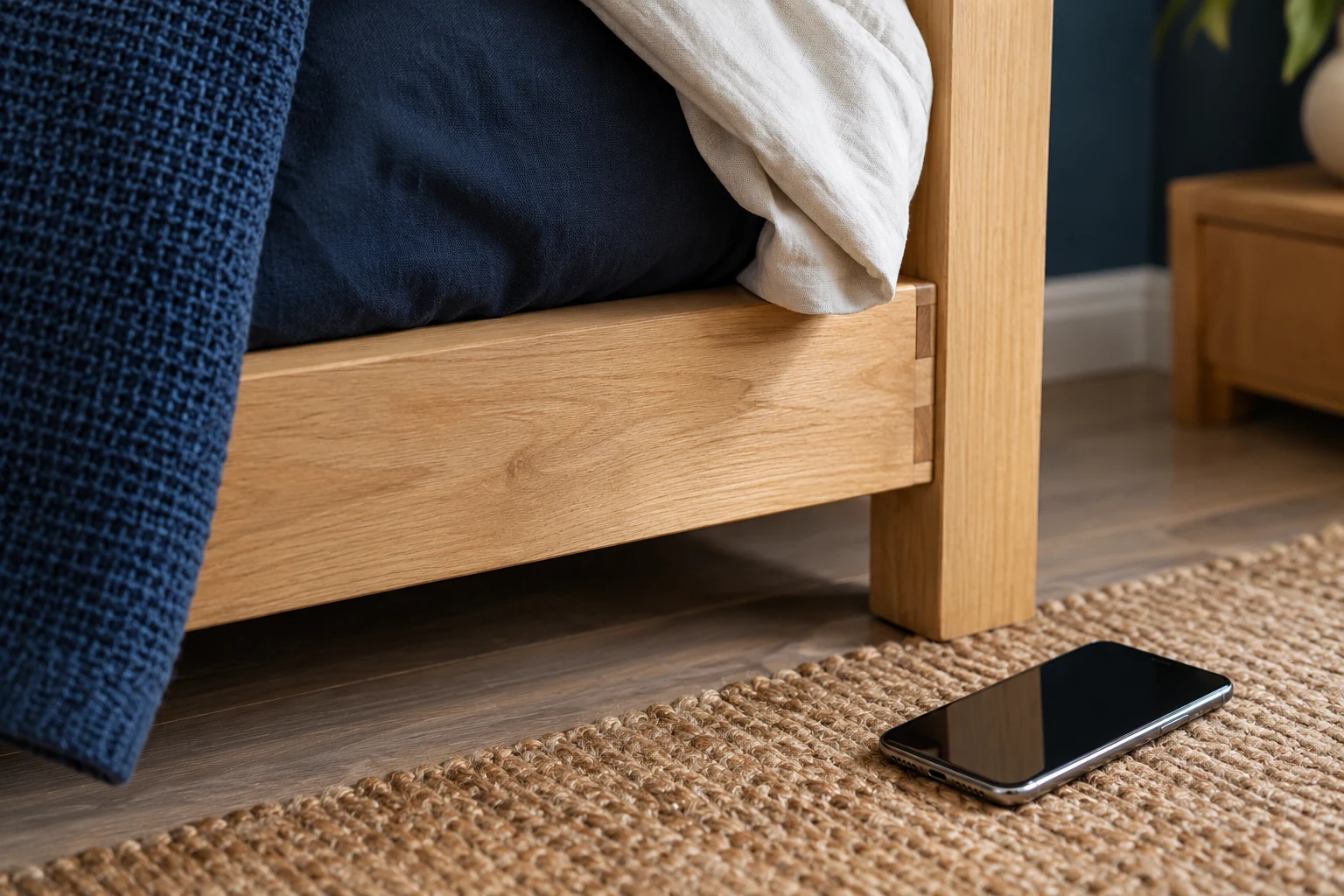
Take one close photograph and one wider photograph that shows where it was found. For example, a close image of a mark at a seam and a wider image of the mattress edge, bed-frame joint or sofa underside. Add a familiar object for scale only if it can be placed without disturbing the evidence.
Write the location immediately: ‘inside left bed-frame joint’, ‘underside of sofa near front leg’ or ‘pillowcase seam’. A photo labelled only ‘bed bug?’ is much less useful when reviewed later.
Look safely at accessible resting areas
NHS guidance lists furniture and bedding among places where bed bugs can be found. From an accessible position, a torch may help you look along mattress seams, the bed frame, headboard and nearby upholstered seating. Do not dismantle heavy furniture, remove electrical covers or put anything into sockets or cracks.
If an insect can be photographed without chasing it through the property, note whether it crawled or jumped and where it was seen. That behaviour and location may help distinguish a bed-bug enquiry from a flea or another household insect.
Do not diagnose from bites
Bed-bug bites can be itchy and may appear grouped or in a line, but appearance alone cannot diagnose the cause. Different people react differently, and bites or rashes can have many explanations. For a pest enquiry, physical signs in the room and a clear description of where they were found are more useful than personal skin photographs.
If a skin reaction is painful, worsening or concerning, seek advice from a pharmacist or clinician. Get urgent help for a severe allergic reaction.
Share only what is useful
Send the clearest few images with the date, room and a sentence about what you saw. Mention whether you have used any product or recently moved furniture, luggage or bedding. Avoid taking dozens of images or sending personal photographs that do not help identify a property clue.
The next step is to ask whether the evidence supports an inspection. Until you have visit-specific advice, do not throw away furniture, move belongings to another room or apply extra products. Keep the original files, rather than only screenshots sent through a messaging app, in case their date and context are useful later. A calm record of a few useful clues is more valuable than disturbing every surface trying to produce proof.
Sources and further reading
General guidance does not replace the instructions for your particular treatment.
YOUR NEXT STEP
Start with what you know.
The room, the signs and your property details are enough to begin a useful conversation.
Send an enquiry or call to discuss your property. Appointments are agreed directly.