
PREPARING FOR A VISIT
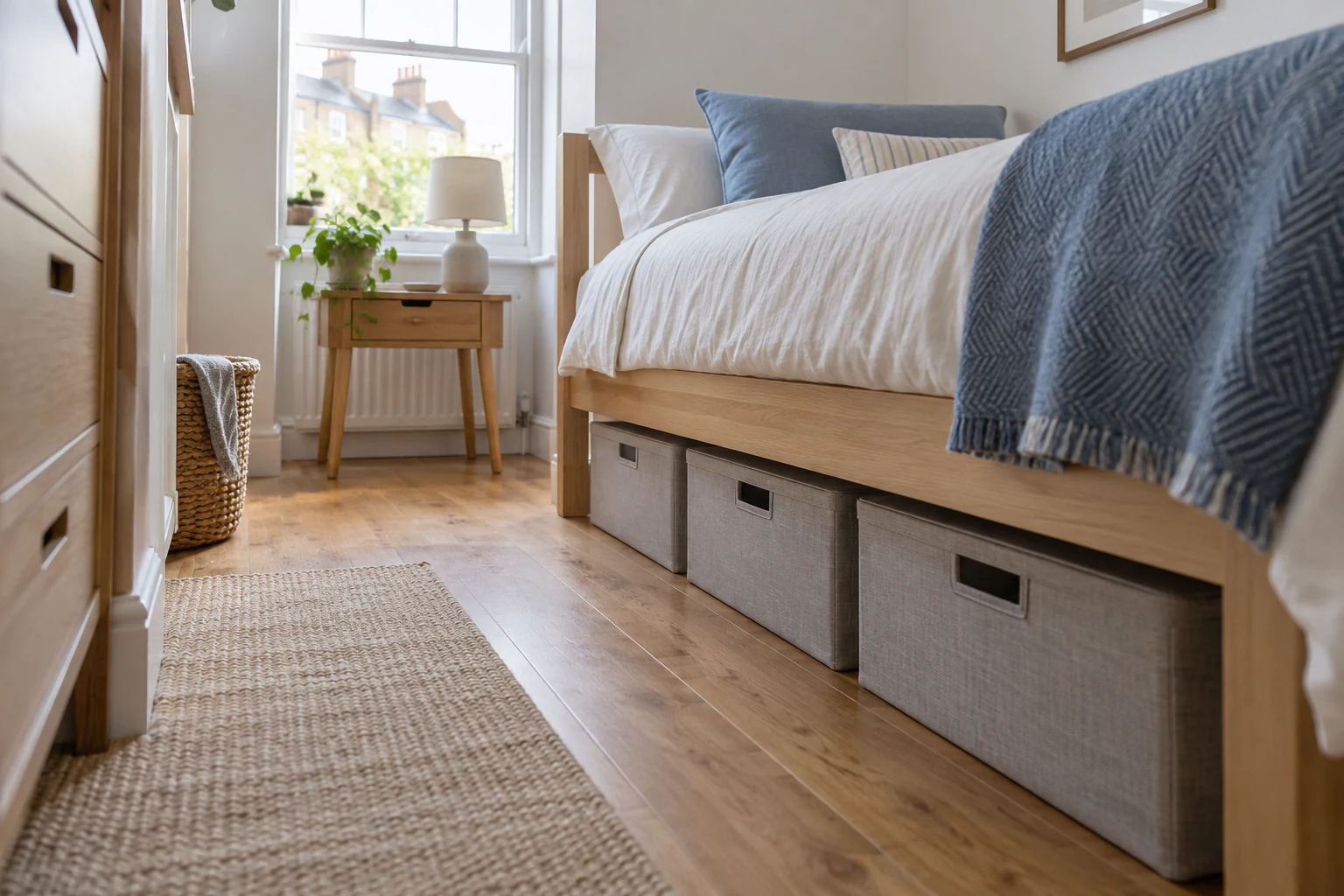
Getting a bedroom ready for bed-bug treatment when storage is limited
Small rooms need a staged plan. Protect access and avoid spreading belongings through the home while you wait for the visit-specific instructions.
4 minute read
Ask what the visit needs before clearing the room
A small bedroom can make ‘clear everything’ feel impossible. Start by checking whether your appointment is an inspection, a treatment or a follow-up, and ask which areas actually need to be accessible. An inspection may need evidence left in context; a treatment may have different requirements. The instructions for your booked visit take priority over a generic checklist.
Explain that you have limited storage before the appointment. A good plan can distinguish essential access from work that can wait, and can identify items that should remain in the room.
Avoid making a second problem elsewhere
It is tempting to move bags, clothing and boxes to a hallway, living room or another bedroom. That can make tracking and assessing a concern more difficult. EPA guidance warns against moving items from an affected area to a non-affected area when reducing clutter.
Do not start sleeping in another room or lend out belongings without discussing it first. Tell the provider how the room is used and what cannot be moved. That information helps shape a workable plan.
Work in small, labelled groups
If you are asked to contain selected belongings, work one category at a time: for example, bedding, the floor beside the bed or items stored under it. Keep a brief note of what has been dealt with and where it is kept. Ask the provider what container or bag is appropriate, whether it should stay in the room and when it can be reopened.
Do not damage heat-sensitive, delicate or electrical items by following a one-size-fits-all online temperature instruction. Ask for an item-specific route if you are unsure. Keep clean and unprocessed items clearly separate only in the way the visit instructions describe. If you cannot complete a requested step before the appointment, say so rather than choosing a faster but unsuitable alternative.
Create safe working space, not a showroom
The practical aim is clear access to the areas agreed for inspection or treatment: walking routes, the sides of the bed, furniture edges and any places you have reported. Keep exits clear and identify furniture you cannot safely lift. You do not need to make a small room look empty to have a useful visit.
Point out fitted furniture, fragile flooring, a cot, a fish tank or anything that changes how the room can be used. Do not take apart fixed or electrical components yourself.
Use the appointment conversation to remove the pressure
Tell the provider early if preparation is difficult because of work, disability, caring responsibilities or a lack of bags and storage. It is better to agree a staged plan than to rush, spread belongings or miss part of the instructions.
Before the visit, write down: the rooms involved, signs seen, products already used, what cannot be moved and who or what needs special consideration. Then ask for written preparation and aftercare that match the proposed service.
Sources and further reading
- US EPA: Preparing for treatment against bed bugs
- US EPA: Hiring a pest management professional for bed bugs
- NHS: Bedbugs
General guidance does not replace the instructions for your particular treatment.
YOUR NEXT STEP
Start with what you know.
The room, the signs and your property details are enough to begin a useful conversation.
Send an enquiry or call to discuss your property. Appointments are agreed directly.